
Sustainability
What Sustainability Means to Us
It means fishing within scientifically advised limits.
It means respecting seasonal patterns and stock recovery.
It means making decisions today that protect livelihoods tomorrow.
It means advocating for firm EU action against overfishing of shared stocks.

Responsible Fisheries Management
Our organisation supports fisheries management that is evidence-based, transparent, and fair. We work closely with the EU, scientific bodies, regulators, and industry partners to ensure quotas, effort, and practices reflect the best available knowledge.
By supporting responsible management, we help ensure Irish fisheries remain productive – not just this year, but long into the future.
This approach protects fish stocks while giving our members the clarity and stability they need to plan, invest, and operate responsibly.
We believe sustainable fishing needs to balance these key elements:
Healthy fish stocks
A thriving marine environment
Viable coastal communities
Enforcing stock protection through EU agreements
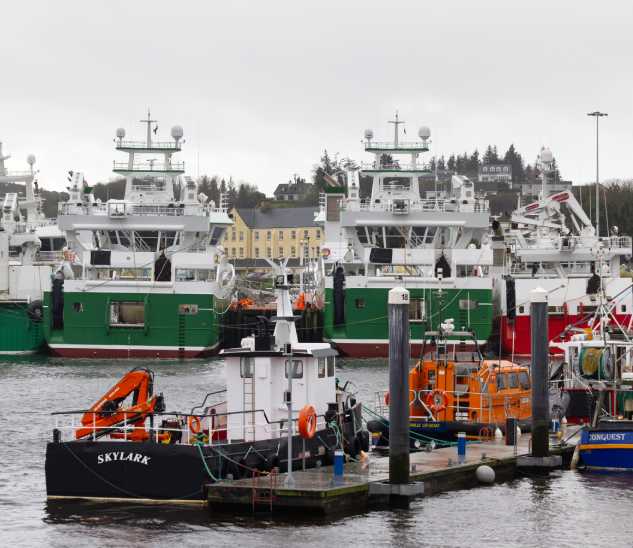
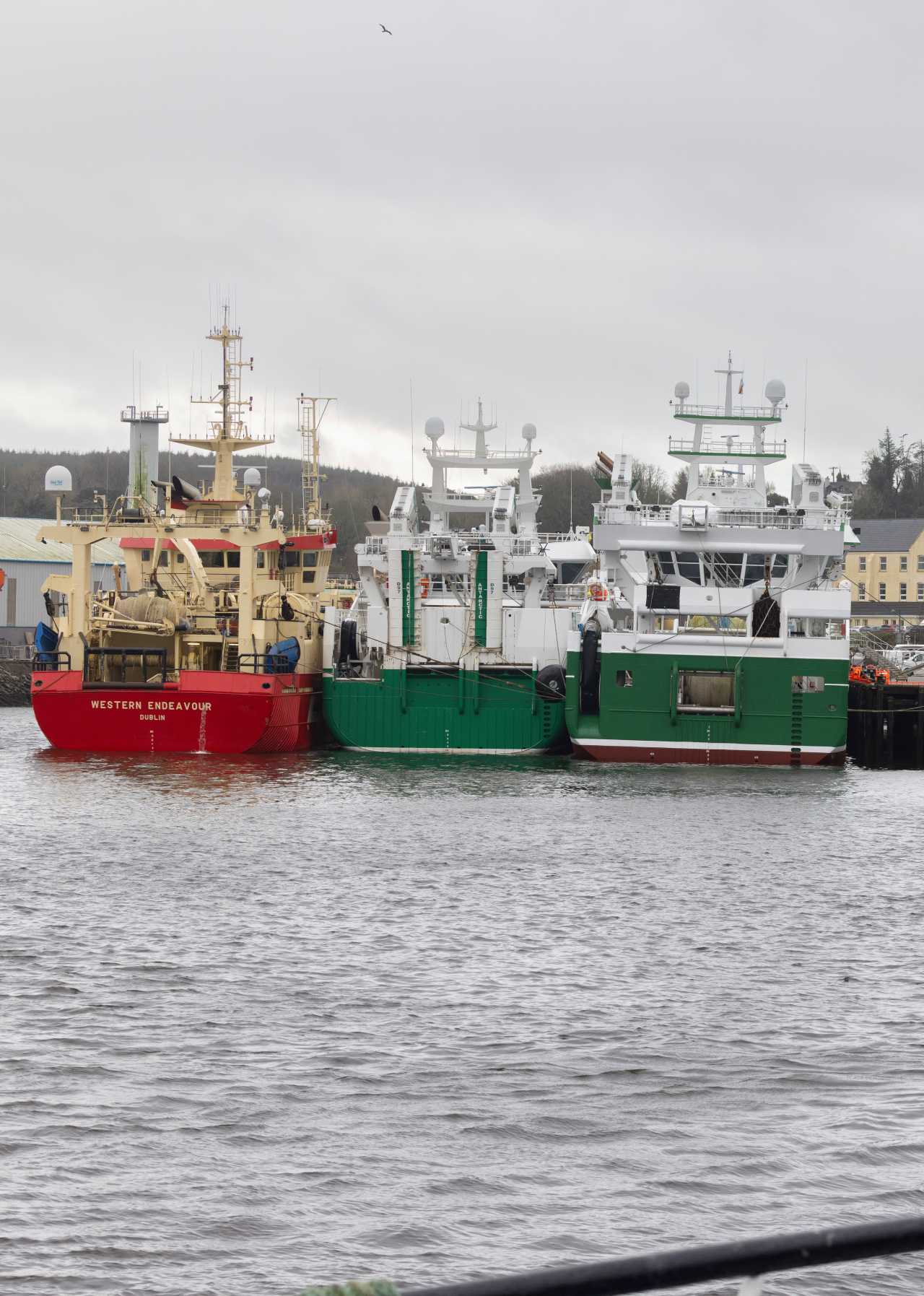
Making Our Fleet More Energy Efficient
Fuel efficiency matters — economically and environmentally.
Across the Irish fleet, fishermen are continually looking for ways to reduce fuel use and improve efficiency at sea. From engine upgrades and regular maintenance to improved trip planning and gear choices, small changes can make a meaningful difference over time.
Improving energy efficiency helps lower operating costs, reduce emissions, and make fishing businesses more resilient in the face of rising fuel prices. It’s a practical example of sustainability in action – supporting both the environment and the long-term viability of our fleet.
As an organisation, we support measures that help fishermen invest in safer, more efficient vessels, while recognising that improvements must be realistic, achievable, and suited to the working conditions of Irish fisheries.
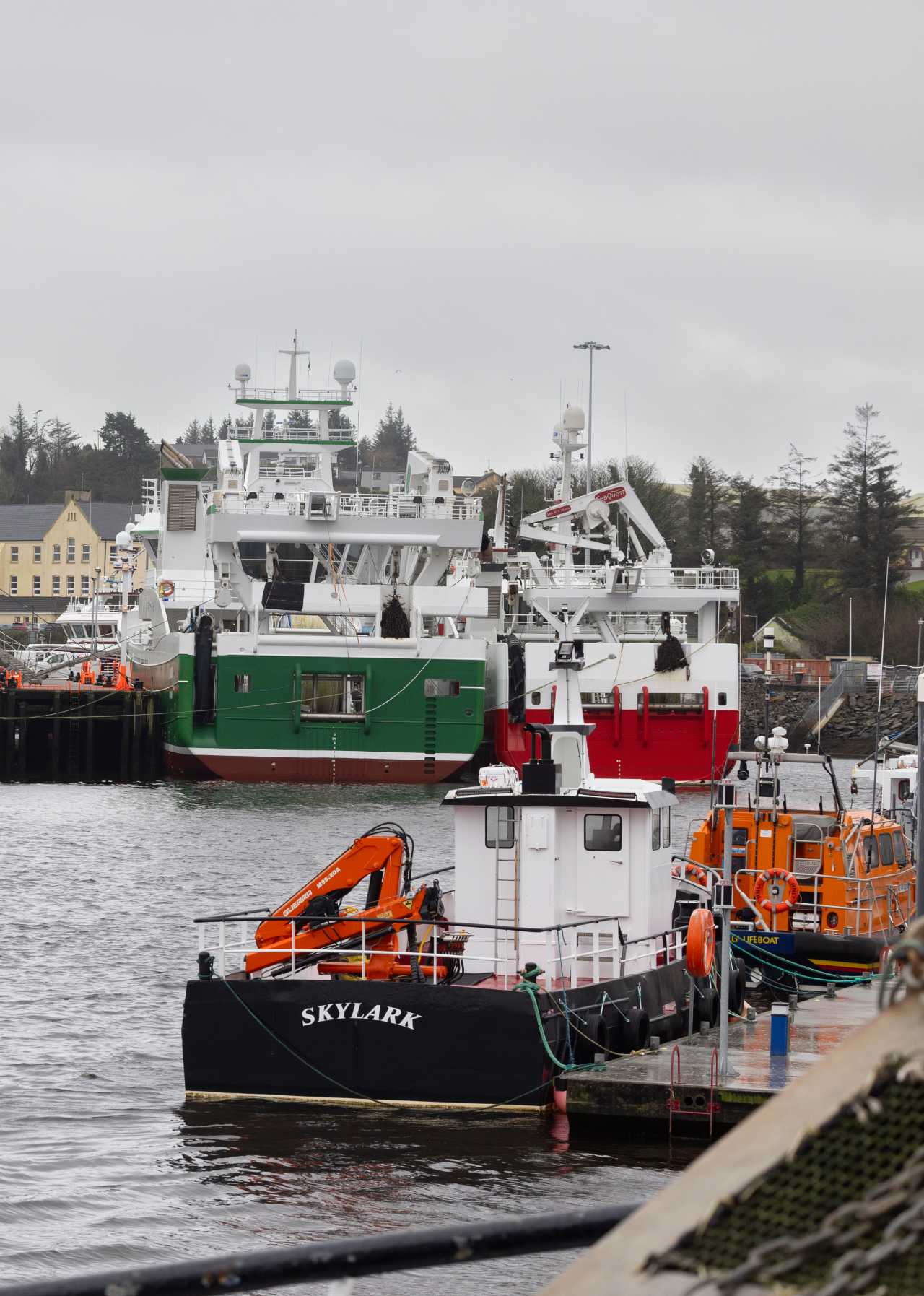
Honouring and Enforcing Fishing Quotas
Quotas play a central role in protecting fish stocks and maintaining balanced fisheries. They are also essential in sustaining the fishing industry and food security for future generations.
The Irish Fish Producers Organisation (IFPO) has long played an active role in advocating for effective and enforceable fishing quotas that protect fish stocks and support sustainable fisheries. For many years, the IFPO has consistently engaged with Irish and EU institutions to highlight the risks posed when non-EU states set unilateral and inflated quotas that exceed scientific advice.
The IFPO believes that overfishing of shared stocks can be prevented through stronger EU negotiations, fair stock-sharing arrangements and robust international agreements that ensure all parties fish within science-based limits.

Protecting fish stocks
Fishing quotas help ensure that catch levels remain within scientifically advised limits, giving fish stocks the opportunity to recover and remain healthy over time. By respecting these limits, fishermen play a direct role in safeguarding the long-term sustainability of Ireland’s fisheries.

Supporting fair and balanced fisheries
Quotas are designed to create balance across the industry, helping prevent overfishing while ensuring access is shared responsibly. Honouring agreed catch limits supports a level playing field and contributes to stable, well-managed fisheries for everyone involved.

Building long-term stability
Consistent compliance with quota management supports confidence in Irish fisheries – among fishermen, regulators, and markets alike. This stability is essential for planning, investment, and the continued success of the sector.

Enforcing fair international quota agreements
The IFPO has long urged the EU to strengthen agreements with non-EU states. All deals should ensure shared stocks are managed through fair, science-based quotas that prevent overfishing and protect long-term sustainability.


“Responsible, science-led fishing is essential to protecting Ireland and Europe’s marine resources and securing the long-term future of our fishing communities.”
AODH O’DONNELL
CEO IFPO